
 The Shift From Efficiency to Understanding
In every boardroom conversation about transformation, one phrase dominates the agenda: automation.
It has become the universal promise – the tool meant to fix inefficiencies, reduce costs, and scale faster. Yet as more organizations adopt automation platforms, a paradox is emerging. Teams are busier than ever, but not necessarily clearer about what truly matters.
According to Gartner, more than 80 percent of organizations using automation report limited visibility into process outcomes. In other words, automation helps people do more, but not necessarily understand more. The result is faster activity but slower progress.
For years, the automation industry has focused on tasks: automate this step, trigger that action, save five minutes here. But the future of intelligent organizations will not be defined by how many tasks they can automate. It will be defined by how clearly their teams can see what comes next, why it matters, and how their work contributes to the bigger picture.
That is the transformation envisioned by Planally. A platform built not around checklists but around clarity, where structure replaces noise and guided execution replaces guesswork.
As businesses evolve, it is becoming clear that automation alone does not drive transformation. Clarity does.
The Problem With Today’s Automation Obsession
In the early years of digital transformation, automation was the ultimate badge of progress. Organizations rushed to automate every possible process, believing that removing manual steps automatically meant greater efficiency. Yet what followed was a new kind of complexity.
 Most companies now operate across a crowded ecosystem of disconnected tools, chat platforms, spreadsheets, and task managers. According to McKinsey, the average enterprise uses hundreds of different applications across departments, many of which do not communicate effectively with one another. Rather than streamlining work, automation often fragmented it. Employees spend more time switching contexts and reconciling updates between systems than focusing on actual outcomes.
This task-first approach to automation created a new kind of digital noise. Every alert, trigger, and update promised speed but produced more information than insight. Harvard Business Review highlights similar concerns in its coverage of digital platforms, noting how proliferating tools can waste people’s time and multiply complexity. As teams automate repetitive actions without shared visibility, they create movement without meaning.
What began as an effort to eliminate human error has, in many cases, led to organizational fatigue. Employees are surrounded by tools that automate fragments of their work, yet no single system shows them the full picture. Leaders are often left asking the same question: Where are we really in this process?
Automation was never meant to create confusion, but when it is built on isolated tasks instead of structured context, that is exactly what happens. The promise of efficiency turns into an avalanche of fragmented updates. The problem is not the automation itself, but the lack of clarity surrounding it.
The modern enterprise does not need more automation triggers, it needs intelligent alignment, a shared system that helps every team understand what is happening, why it is happening, and what needs to happen next.
The Clarity Gap in Modern Workplaces
In most organizations, progress is measured by output. Teams complete tasks, close tickets, and check boxes. Yet what truly drives business performance is not the volume of activity, but the shared understanding of direction and purpose. This is where many enterprises face a silent crisis, the clarity gap.
A lack of clarity shows up in small but powerful ways: duplicated work, delayed approvals, conflicting priorities, and the constant need to “sync” between departments. It is not that teams are unproductive; it is that they are often misaligned. According to Gartner (2024), 84 percent of business leaders and employees believe their company’s identity and internal alignment must change significantly to achieve its objectives. In other words, organizations are not struggling with effort, they are struggling with clarity of direction.
 Deloitte (2024) found that transparency and open communication are now considered top priorities for leaders seeking to improve engagement and performance. However, transparency is often mistaken for clarity. Transparency reveals information; clarity turns that information into shared understanding. It connects strategy to execution in a way that everyone can act on.
When clarity is missing, even the best automation cannot fix the problem. Automation can speed up existing workflows, but it cannot align people who are moving in different directions. The real opportunity lies in combining automation with structured visibility, a framework where everyone sees not only what is being done, but why it matters.
The clarity gap does not appear overnight. It builds gradually as organizations expand, adopt more tools, and add layers of process. Each department optimizes its own system, but the result is often a fragmented landscape where information flows freely yet meaning is lost in translation. Executives spend hours reconciling reports and updates that describe progress but fail to explain impact.
True clarity is not about over-communicating. It is about connecting the right information to the right people at the right time. It is what allows a marketing campaign to align with product development timelines, or an engineering roadmap to reflect strategic goals.
This is where platforms like Planally redefine how teams work together. By building automation around clarity instead of tasks, Planally ensures that visibility, accountability, and progress tracking flow naturally across the organization. Teams no longer need to wonder who owns what or when the next phase begins. Clarity becomes the foundation for every decision.
From Noise to Navigation: How Clarity Drives Smarter Execution
Modern enterprises are not short on information. They are flooded with it. Every meeting, message, and metric adds to a growing sea of data that promises insight but often delivers distraction. The challenge for leaders today is not access to information, but the ability to interpret and act on it quickly. Clarity is what transforms data into direction.
According to McKinsey, companies that rethink how work gets done, focusing on structured collaboration and decision-making, outperform peers in both speed and adaptability. The report emphasizes that clarity of priorities and execution paths is now one of the strongest predictors of organizational resilience. When teams understand the “why” behind their workflows, they make faster, better decisions and deliver more consistent results.
This principle is equally true inside organizations of every size. The gap between activity and impact has widened because most systems focus on “what” needs to be done, not “why” or “how.” Without clear navigation, even high-performing teams end up reacting to noise rather than driving meaningful outcomes.
That is where clarity changes the game. It gives leaders the visibility to guide, not just monitor. It enables teams to connect daily execution with larger strategic goals. As Harvard Business Review (2024) explains, clarity in communication is what turns strategy into action. When organizations clearly define their priorities and translate them into shared understanding, they move from reactive problem-solving to proactive alignment.
Planally embodies this shift from noise to navigation. Its Roadmaps and Phase-Gate features help teams visualize progress across structured phases, ensuring everyone understands not just the next task, but the overall journey. Through its Dashboard, leaders can see the state of play in real time without chasing reports or updates. The Automations feature ensures that routine actions happen consistently while strategic decisions remain human-driven.
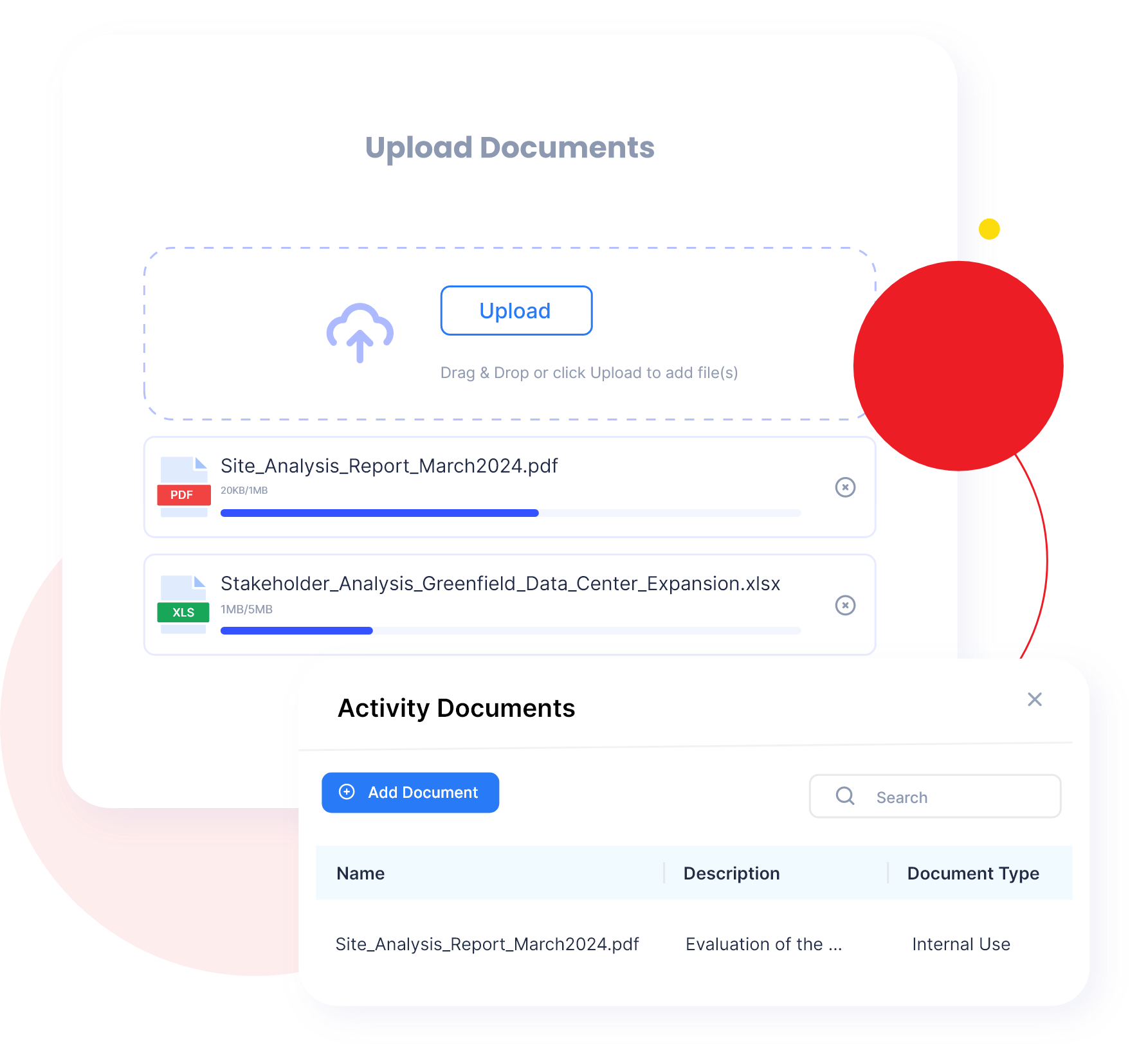 When clarity becomes the foundation of execution, collaboration feels effortless. Teams know where they are, what comes next, and how their contributions connect to organizational outcomes. Instead of chasing updates, leaders spend their time refining direction. Instead of managing chaos, they guide progress.
Clarity is not just a management advantage; it is an execution strategy. It bridges the gap between vision and delivery, transforming scattered activity into guided momentum. For organizations seeking to build the next generation of high-performing teams, clarity is not optional. It is the operating system for modern work.
Clarity as the Competitive Advantage
Every organization claims to value efficiency, but few recognize that efficiency without clarity is short-lived. The most successful companies today are not the ones that automate the most tasks. They are the ones that make direction unmistakable. In a business landscape defined by rapid change, clarity has become the new competitive advantage.
According to Gartner, CIOs and executives are prioritizing organizational clarity as a key enabler of performance, particularly in digital transformation initiatives. Leaders are realizing that technology alone cannot drive outcomes. What makes transformation sustainable is the shared understanding of purpose, priorities, and responsibilities. Clarity transforms strategy from a document into a living system that informs every decision.
Deloitte echoes this in its Global Human Capital Trends report, emphasizing that workforce engagement and innovation thrive in environments where clarity guides collaboration. Teams that understand how their efforts align with organizational goals are more creative, more accountable, and more agile. Clarity is not only a leadership trait; it is an organizational condition that shapes culture and performance.
For most enterprises, the challenge lies in translating clarity from theory into practice. This is where Planally creates measurable value. Its Portfolio feature allows executives to view every initiative in one cohesive space, connecting strategic objectives to execution timelines. Leaders can identify overlaps, allocate resources, and ensure that priorities stay aligned across teams.
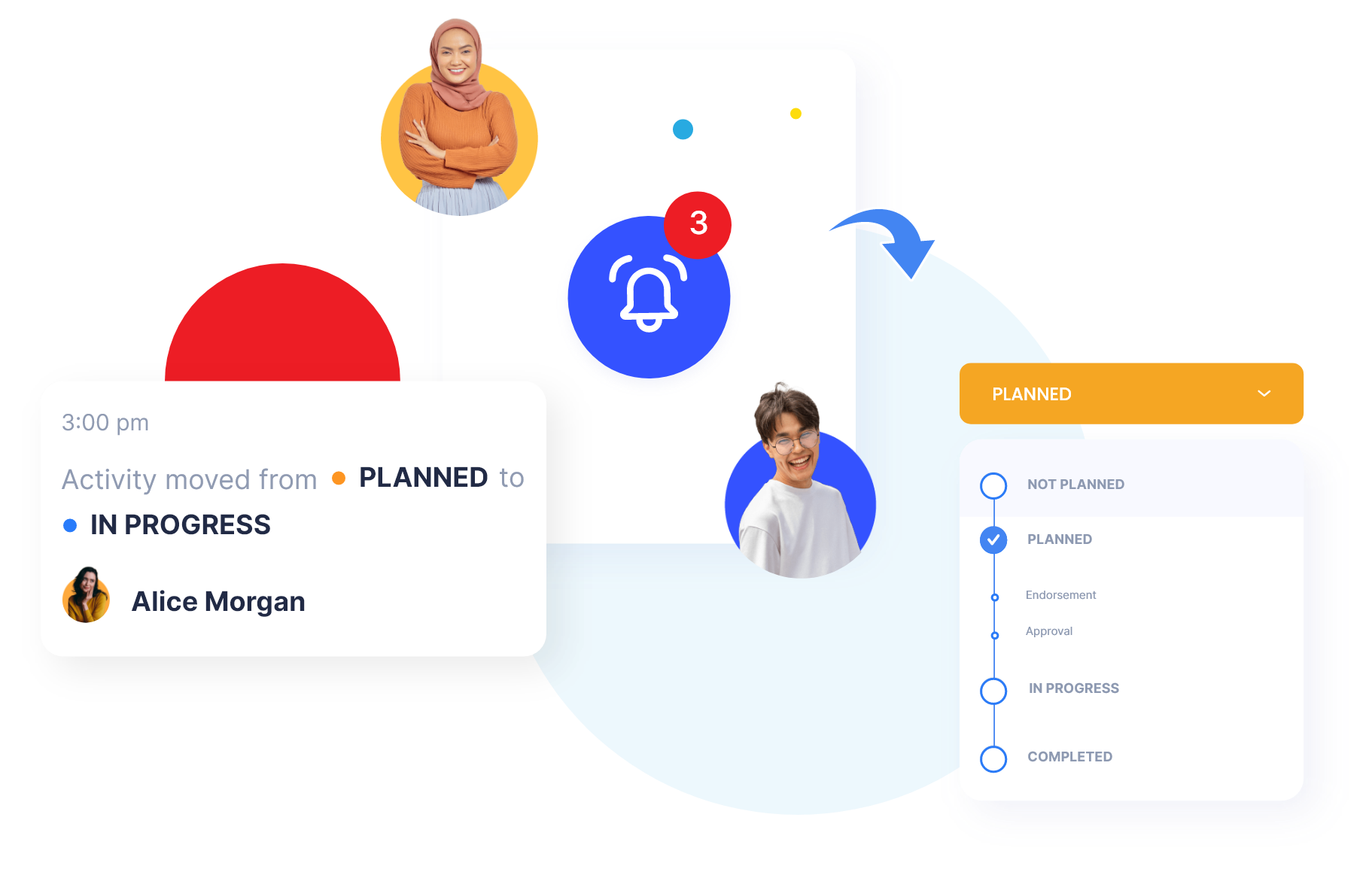
At the operational level, Permissions and Notifications maintain clarity by ensuring that the right information reaches the right people at the right time. No one needs to guess who owns a task or when an approval is due. Speaking of approvals, Planally’s Approvals and Endorsements feature creates a transparent chain of accountability that eliminates delays and confusion in decision-making.
 Clarity also creates psychological safety. When teams know what success looks like and how decisions are made, they spend less time interpreting expectations and more time delivering value. It is not about micromanagement; it is about mutual understanding. In a climate of constant change, that understanding becomes the foundation for confidence and performance.
In the years ahead, competitive advantage will belong to organizations that simplify complexity, align teams through clarity, and connect every decision to measurable outcomes. As Planally continues to redefine what workflow automation means, it proves that clarity is not just an internal asset. It is a strategic differentiator that separates companies that move fast from those that move forward.
Building a Culture of Clarity
Technology can create efficiency, but culture sustains it. In every transformation effort, clarity must begin as a leadership principle before it becomes a system-wide behavior. A culture of clarity is not built on rules; it is built on shared understanding, communication, and accountability.
When leaders communicate with precision, employees respond with alignment. When information flows freely, decision-making accelerates naturally. The opposite is also true. Vague goals, inconsistent communication, and scattered accountability create environments where teams hesitate to act. Clarity empowers confidence, and confidence fuels performance.
Building this kind of culture requires more than digital tools, but the right platform can reinforce the habits that clarity depends on. Planally was designed to embed transparency and coordination into everyday work. Its Chat feature ensures that communication remains connected to context. Conversations happen where work happens, which means updates, feedback, and instructions stay within the workflow rather than getting lost across channels.
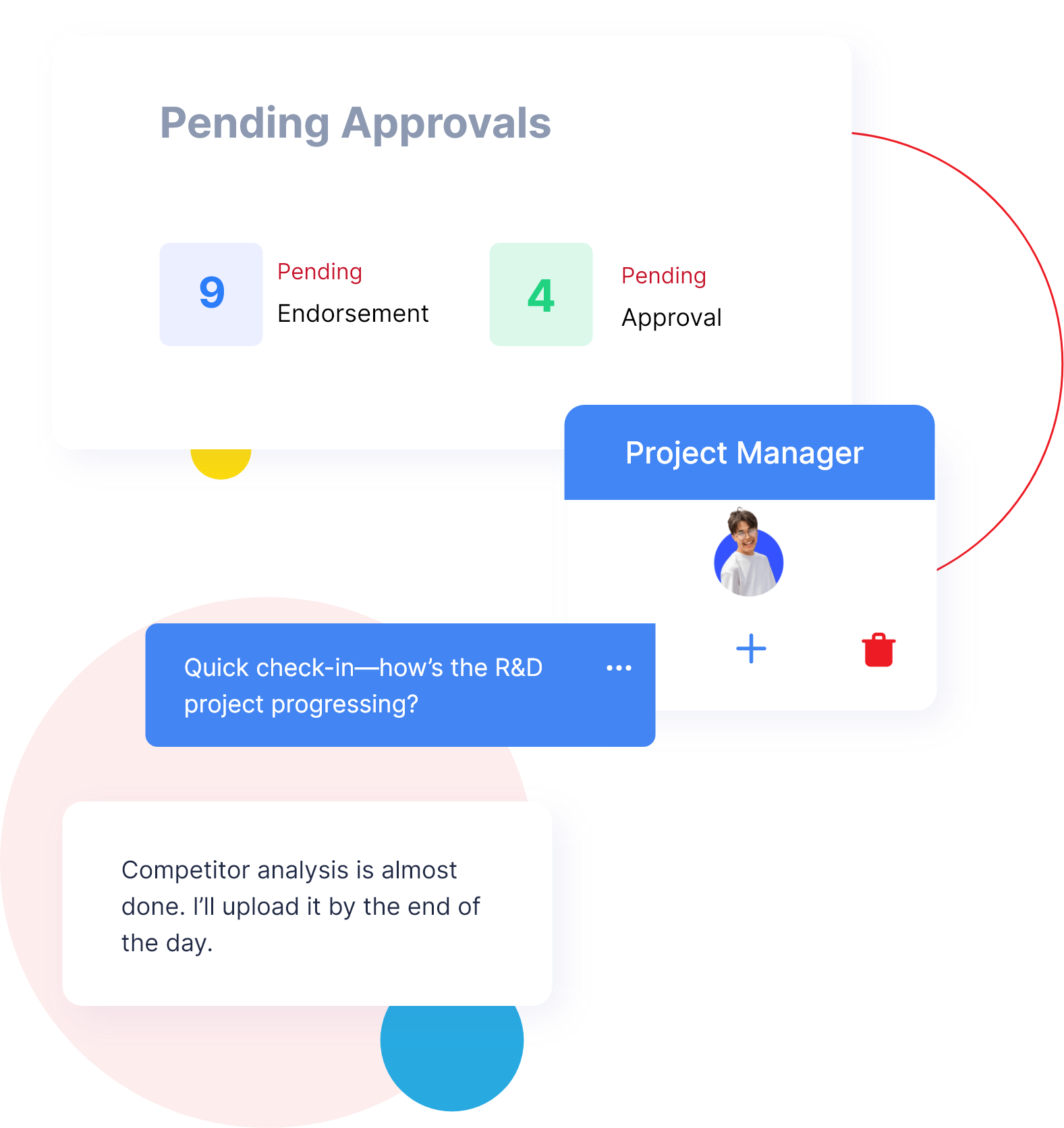
The Files module strengthens this foundation by centralizing documentation. Instead of chasing versions or searching for attachments, teams have a single, trusted source of truth. This reduces uncertainty and keeps focus on execution rather than searching for information.
Clarity in action also means clarity in ownership. With Tasks and Automations, Planally reinforces accountability by assigning clear responsibilities, timelines, and outcomes. Automated updates and status changes remove the need for constant check-ins, allowing teams to spend more time on strategic work and less time coordinating.
Over time, these practices turn clarity into culture. Leaders begin to model it in how they communicate objectives. Teams mirror it in how they plan, share progress, and resolve issues. The organization gradually transitions from being reactive to being guided. The result is a work environment where everyone understands not only what they need to do, but also why their work matters.
Clarity does not just reduce confusion; it builds trust. It signals that leadership values transparency and alignment. When employees operate in a culture where expectations are clear and communication is structured, collaboration becomes effortless, and purpose becomes shared.
That is what separates good organizations from enduring ones. A culture of clarity transforms alignment from a momentary achievement into a continuous advantage. It makes efficiency sustainable and progress measurable.
From Clarity to Action: Redefining How Teams Deliver Results
Clarity without action is only potential. The true test of clarity is how effectively it translates into results. Organizations that move from understanding to execution with speed and confidence are the ones that thrive in complex, fast-changing environments. Clarity is the bridge between knowing and doing.
Every successful transformation begins with alignment. When teams understand the vision and the pathway to reach it, they move together with precision. Yet most organizations struggle to convert alignment into consistent delivery because they lack a unified execution framework. That is where Planally redefines what action means in modern work.
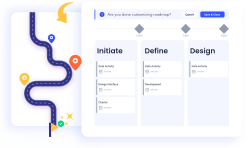
Through features like Roadmaps and Phase-Gate, leaders can translate strategic objectives into structured plans that guide teams from start to finish. Each phase of work is clearly defined, ensuring that progress flows naturally instead of depending on constant oversight. This creates predictability without rigidity, allowing leaders to adjust priorities as conditions evolve while keeping teams aligned on the end goal.
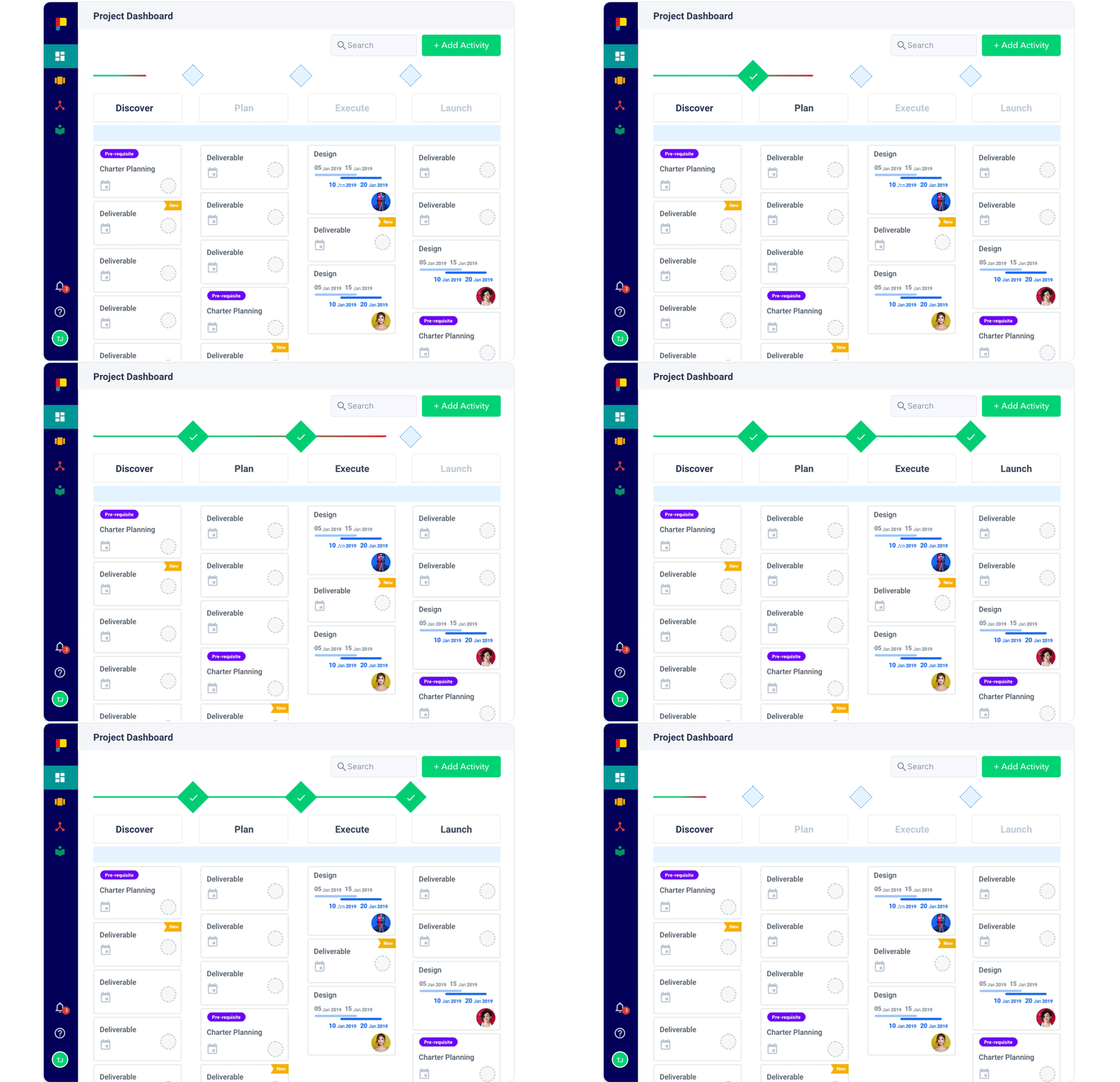
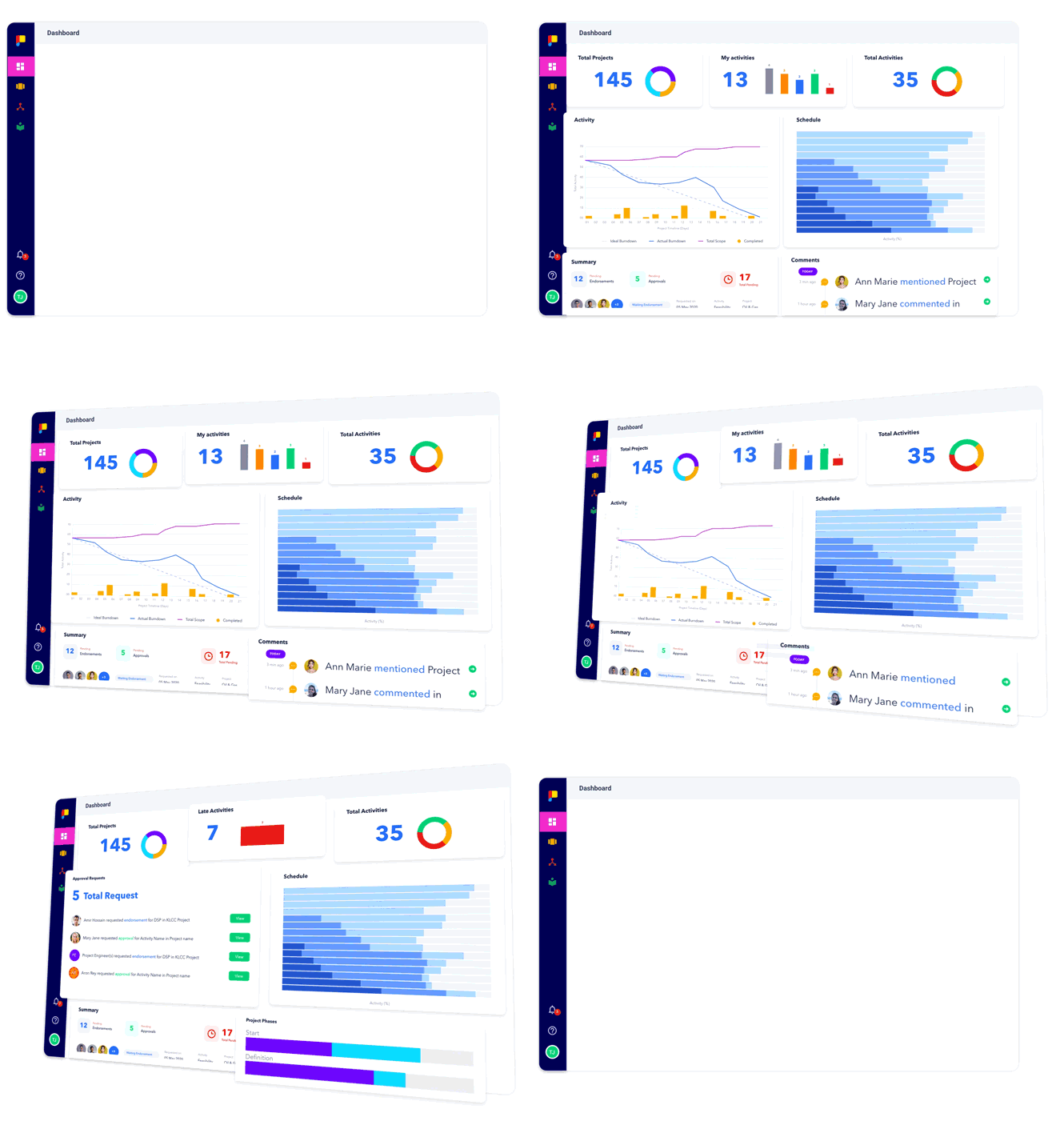
 The Dashboard transforms visibility into insight. Executives and managers no longer need to request updates or compile reports. They can see real-time progress across every workflow and make informed decisions instantly. This level of clarity not only accelerates action but also enhances accountability, as everyone can see what is being achieved and where attention is needed.
Automation also plays a vital role in turning clarity into measurable outcomes. With Automations, repetitive processes are executed seamlessly, freeing up time for teams to focus on higher-value activities. This balance between human intelligence and automation creates momentum that sustains itself. Every task completed automatically is one more opportunity for people to think strategically and creatively.
The result is an organization that operates with rhythm. Teams execute confidently, leadership monitors progress effortlessly, and every contributor understands their role in achieving the company’s mission. Clarity no longer functions as an abstract ideal but as an active force shaping daily performance.
In a business environment defined by volatility and complexity, speed alone is not enough. What distinguishes successful organizations is their ability to move fast in the right direction. That is what clarity delivers – direction, consistency, and purpose at scale.
Planally’s approach proves that when workflows are guided by clarity, results follow naturally. Execution becomes predictable, communication becomes purposeful, and collaboration becomes frictionless. From planning to delivery, clarity turns ambition into achievement.
The Future of Automation: A Clearer Path Forward
The first generation of automation was built to make work faster. The next generation will make work smarter. What will define the future of automation is not how many processes can be automated, but how clearly those processes connect to purpose. Clarity is emerging as the cornerstone of digital transformation because it enables both speed and understanding.
As organizations continue to evolve, leaders are recognizing that true productivity cannot come from isolated tools or fragmented systems. It comes from a unified view of work, where every process, team, and decision aligns toward shared objectives. The future belongs to organizations that can see clearly and act decisively.
Planally was built for this future. Its ecosystem of features, from Roadmaps, to Dashboard and Automations, brings structure to complexity. Instead of overwhelming teams with notifications and updates, it gives them a focused environment where clarity drives every interaction.
As digital workplaces grow more interconnected, the need for transparency and accountability will only intensify. Businesses that prioritize clarity will navigate change with confidence. They will adapt faster, execute smarter, and innovate with intention. Planally’s clarity-first approach ensures that automation never becomes an end in itself, but a means to amplify human judgment, creativity, and leadership.
The next era of automation is not about replacing people. It is about empowering them. It is about giving every team the ability to see the bigger picture and make decisions that move the organization forward. By combining intelligent automation with structured visibility, Planally transforms the way teams plan, collaborate, and deliver outcomes.
The future of automation is clear, literally. It belongs to those who can turn complexity into clarity and motion into meaning. Planally is helping businesses take that step today, building a foundation where work flows naturally and every action contributes to something bigger.
Clarity Is the Future of Intelligent Work
For years, organizations have measured progress by the number of tasks completed, systems implemented, or processes automated. Yet true progress is measured by how clearly teams can see, understand, and act. Automation without clarity only scales confusion. Clarity without action limits potential. When the two converge, they redefine what productivity means.
Clarity transforms automation from a mechanical function into a strategic advantage. It connects every phase of work, from planning to execution, with purpose and precision. It allows leaders to shift their focus from monitoring activity to inspiring outcomes. And it enables teams to collaborate without friction, guided by a shared sense of direction.
This is the future Planally is building. Through its clarity-first approach, Planally empowers organizations to bring structure to complexity and meaning to motion. Its ecosystem, including Roadmaps, Dashboard, Automations, and Phase-Gate, provides a seamless way to design, manage, and scale workflows that align with strategy.
As businesses move into a new era of automation, the differentiator will not be who automates the most, but who understands the most. The leaders who prioritize clarity will make better decisions, adapt faster, and achieve results that last.
The journey toward intelligent automation begins with one question: Can your teams see clearly enough to move forward confidently?
Planally was created to make that answer a resounding yes.